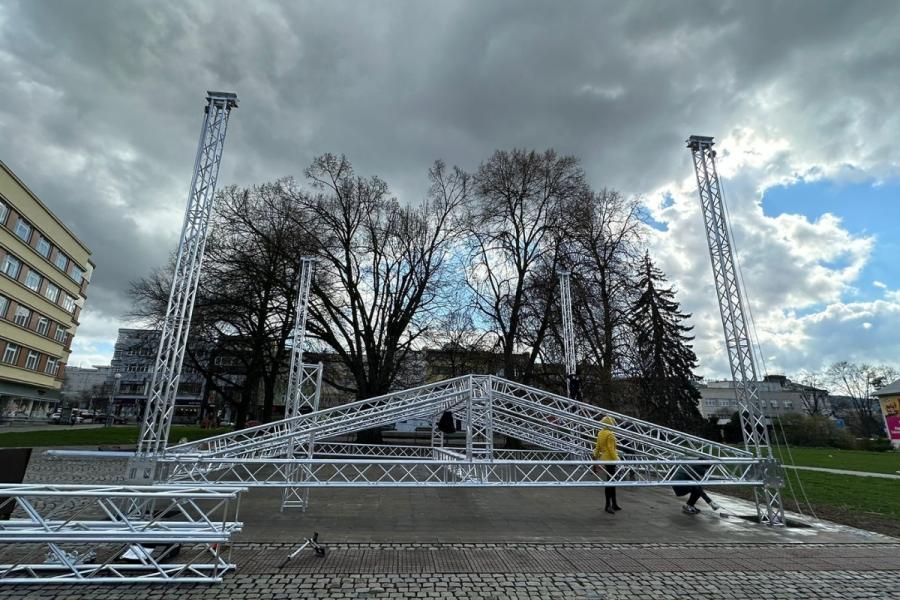
Outdoor events are inspiring, powerful, and unforgettable - but they are also vulnerable. Whenever a stage, roof, LED wall, or temporary structure is built from aluminium truss, nature itself becomes a critical stakeholder. Wind, rain, lightning, and snow can transform a secure installation into a safety hazard in minutes.
That is why a “Weather Emergency Plan (WEP)” is not just best practice - it is a fundamental safety requirement. In many countries, authorities and insurers demand it before granting permits. For event professionals - riggers, installers, structural engineers, and production managers - a clear, actionable plan is as important as the truss itself.
This article explains what a Weather Emergency Plan is, how it works, and why your team cannot afford to overlook it.
Why Aluminium Truss Requires a Weather Emergency Plan
Aluminium truss systems are widely used because they are lightweight, modular, and efficient. They can support heavy loads with relatively low self-weight and can be quickly assembled on site. But those same strengths introduce vulnerabilities:
- The low weight of truss can also mean that it can be destabilized if ballast or anchoring is insufficient
- Large surfaces (LED walls, banners, canopies) act as sails and amplify wind loads
- Temporary outdoor structures can be compromised by dynamic loads that are far smaller than those that can be withstood by permanent buildings
Unlike fixed structures, temporary truss structures are designed for short-term use. They do not benefit from permanent foundations or walls. This makes them sensitive to wind, precipitation, and snow - all of which can occur suddenly during outdoor events.
The solution is not just intelligent engineering but also an operational protocol: the Weather Emergency Plan.
Core Elements of a Weather Emergency Plan
A proper WEP combines engineering limits, on-site monitoring, and clear human intervention procedures. Here are the essential components:
1. Pre-Event Risk Assessment
Every aluminium truss structure design starts with static calculations performed by a structural engineer. These define maximum permissible loads - including wind speeds, ballast requirements, and structural tolerances.
The risk assessment also identifies:
- Critical weather thresholds
- Safe evacuation routes for the audience and crew
- Emergency options for lowering roof systems and LED walls
- Minimum crew required for response procedures
This risk assessment must always be integrated into the event’s overall safety documentation.
2. Real-Time Monitoring
Weather changes can occur from minute to minute. The plan must include continuous automated and human monitoring, such as:
Anemometers mounted on the truss to measure wind speeds at roof level.
Weather apps and direct alerts from meteorological services.
Trained observers who watch the sky, clouds, and surroundings.
The monitoring team reports to a designated “weather safety officer” or production manager, who is responsible for initiating emergency procedures.
3. Wind Speed Thresholds
Perhaps the most visible part of any WEP is the action matrix based on wind speeds. While exact values depend on the structural design and specific static calculations for it, typical guidelines are listed below.
Wind speeds below 40 km/h (under 11 m/s) = Safe operation under normal conditions. All systems function within calculated norms.
Wind speeds ranging from 40–60 km/h (11–16 m/s) = Initiation of precautionary procedures i.e. lower LED walls, if possible, remove banners or flags, cease climbing or rigging work, secure loose items.
Wind speeds ranging from 60–80 km/h (16–22 m/s) = Cease performances, evacuate public areas, lower roofs or LED walls if hydraulic/manual systems are available, secure all equipment.
Wind speeds above 80 km/h (over 22 m/s) = Full evacuation. No personnel may remain in or near the structure. Complete shutdown of power.
Please note that these thresholds refer to standardized examples of wind speeds and procedures taken in these situations. Actual wind limits must always come from the structural engineer who designed and calculated the truss structure in question!
4. Lightning Protocols
Aluminium truss is a highly efficient conductor of electricity, so there are several safety steps that must be considered in the event of approaching lightning. First, evacuate all personnel and the audience from the stage to minimize the danger of harm as a result of lightning strikes to the aluminium structure. Second, no one should touch or stand near truss or electrical equipment. And third, move the audience and personnel to grounded, enclosed shelters and have them remain there until the storm passes. This step is often overlooked but is critical. Lightning is one of the fastest, most lethal weather threats.
5. Rain and Snow Loads
Water and snow present hidden risks at any outdoor event. The weight of rain pooling on roof covers can rapidly exceed the loading capacity of an aluminium truss structure. It is essential to make sure that the roof cover or canopy is under the proper tension and the drainage system is fully functional.
The accumulation of snow also adds immense weight to truss structures. Most aluminium truss roofs are not designed to support snow loads. Immediate clearing of the area or cancellation of the event is required in the event of snowfall.
6. Communication and Chain of Command
A plan is useless without clear authority. A proper WEP must clearly specify the following:
- Person in charge or the official authority figure, i.e., person who has the power to order the initiation of safety procedures (typically the safety officer or production manager).
- Communication channel – how instructions are communicated to crew, artists, and the audience.
- Threshold Actions – exact steps that must be taken at each threshold.
Every crew member should rehearse these procedures before the event begins to ensure that everyone knows how to react and what to do at the different emergency thresholds.
7. Post-Emergency Inspection
After extreme conditions are encountered - whether high winds, heavy rain, or a lightning strike - the structure must not be used until a competent rigger or engineer inspects it. Even if nothing looks damaged, hidden stresses may have compromised welds, connections, or ballasts. Safety is only restored after an inspection is carried out and the structures passes.
Why Authorities and Insurers Demand It
Many jurisdictions require adherence to Eurocode standards (EN 1991-1-1, EN 1991-1-4, EN 1993-1-1, EN 1999-1-1) and EN 13814 (fairground and amusement structures), which require that temporary structures for events have documented safety procedures, including weather response. Insurers also demand WEPs to limit liability. In case of an accident, the absence of a documented plan can invalidate insurance coverage and expose organizers to criminal responsibility. It is always better to be well prepared than surprised and sorry.
There have been many structural failures over the last 20 years that have increased awareness among authorities and event producers regarding the implementation of safety procedures and emergency plans. Among the most recent incidents of stage failures include the China Beer Festival Truss Collapse (Aug 15, 2025) in Mianzhu, Sichuan, China, Mexico Campaign Rally Stage (May 22, 2024) in San Pedro Garza García, Pohoda Festival Tent Stage (Jul 12–13, 2024) in Trenčín, Slovakia, Medusa Festival Main Stage (Aug 13, 2022) in Cullera (Valencia), Spain, USA WinStar Venue Entrance Truss (Aug 18, 2018) in Thackerville, Oklahoma, and many smaller stages at local sports events, fairs, concerts, etc.
However, all of the incidents above have one thing in common. They were not caused by engineering or flaws in truss welds, but by inadequate weather planning and improper preparations and practice of weather emergency plans. In almost all cases, experts later concluded that earlier evacuation and clear weather thresholds could have saved lives.
Building a Culture of Preparedness
For riggers, installers, and production teams, a WEP should not feel like extra paperwork. It should become part of the professional culture, much like personal protective equipment or fall protection systems.
Following are some practical tips for establishing a proper culture of preparedness within your installation or production team. Integrate awareness of weather conditions in your daily routine, such as crew briefings, toolbox talks, and even rehearsals that mention weather thresholds. Make the rules and emergency steps visible. You can post action charts with icons and descriptions of procedures in the backstage area and at front of house (FOH). Empower decision makers, i.e. ensure the person with authority is respected and cannot be overruled by artistic or commercial pressure. All of the above can save lives.
Safety First, Always
Aluminium truss allows for spectacular creativity at live events. But the same structures that support light and sound, and create the spectacle, can become dangerous under weather stress. A Weather Emergency Plan ensures that everyone knows what to watch for, when to act, how to act, and how to protect lives and equipment.
For TAF (Truss Aluminium Factory), safety is inseparable from engineering. The truss we manufacture is designed to meet or exceed the highest standards - but true safety and security only come when our truss is paired with a clear, tested, and respected Weather Emergency Plan.
In the end, the show can always continue tomorrow, but for lives cut short, tomorrow never comes.