In the world of event production, rigging, and structural engineering for entertainment setups, aluminum trussing plays a central role. It is the skeletal framework of stages, lighting rigs, exhibition structures, and even architectural installations. But beyond the tubes and braces lies a critical component often overlooked by those outside the industry: the connection system. Among the various types of connections used in aluminum truss systems, the Quicklock - also known as the spigoted or conical connection - has become a favorite for many professionals. In this article, we’ll explore its origins, how it works, and how it compares to other connection types.
A Brief History of Aluminum Truss Connections
The use of trusses dates back centuries, but it was the emergence of lightweight and strong aluminum truss in the late 20th century that revolutionized the entertainment and event industry. As touring productions became larger and more complex, the need for fast, reliable, and safe truss connections grew.
Initially, most aluminum trusses were connected using bolted or plated connection systems - adapted from steel truss construction. Later, fork connections began to appear in large-scale touring applications, known for their superior load-handling capabilities. Eventually, the Quicklock system entered the scene, offering a solution that combined speed, ease of use, and high structural integrity.
What Is a Quicklock (Spigoted) Connection?
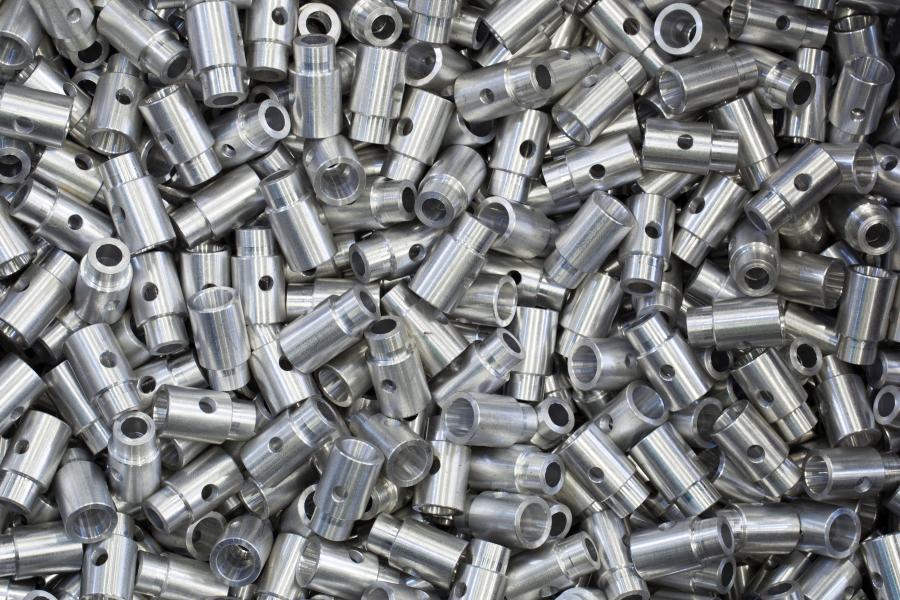
The Quicklock system uses an internal conical connector called a spigot that slides into the main tube ends of adjoining truss sections. The ends of the tubes are equipped with female receivers turned from solid aluminum in order to fit the conical connectors. The female receivers can be welded onto the main tubes or, in some cases, attached to it by usage of spring pins. They also differ in the length of the inner end of the receiver, or welding connector, as we call them. The connection itself consists of a conical connector with pre-drilled conical holes insertion that is welded on the end of the main truss tubes. The connector is secured in proper position by conical safety pins that create a connection that is strong, safe, and reliable. The pins are then secured from falling out of the connector by safety clips.
This method allows for extremely fast assembly and disassembly without the need for bolts, nuts, or the use of external tools (other than a hammer or similar tool to tap in the pins). Conical connectors simply slide in and "lock" in place – hence the term „Quicklock".
Structural Behavior of Quicklock Connections
From a structural engineering perspective, Quicklock connections behave as semi-rigid joints. Once connected, the internal solid aluminum conical connector acts as a load-transferring member between adjacent trusses. The shear forces are primarily transferred through the connector itself, while bending moments are distributed across the entire cross-section via the tight fit and pin engagement. Although these connections do not provide full moment continuity like a welded joint would, they perform well under typical axial and shear loading found in horizontal truss spans. The inclusion of horizontal and diagonal braces in the truss design ensures that local forces from the connection are distributed across the overall structure. It is important to note that safety pin wear or loose-fitting connectors can reduce the stiffness of the joint over time, so periodic inspection and maintenance are essential. For critical loads or long spans, static calculations should always take into account the partial fixation of the joint and consult the manufacturer’s specifications for moment and shear capacity.
Advantages of the Quicklock Connection
1. Speed and Efficiency
One of the main benefits of Quicklock connections is how fast they are to carry out. Event setups are often under tight deadlines, and every minute saved on rigging can be used elsewhere in production.
2. Toolless Operation
No wrenches, torque settings, bolts, or nuts. Installers only need a set of pins and clips, making life easier on site and reducing the chance of losing critical fasteners.
3. Standardization
Many truss manufacturers follow a very similar pin - and - conical connector system, making components somewhat cross - compatible (though always verify load specs and tolerances). This standardization helps production companies mix and match compatible gear.
4. Reduced Wear and Tear
Because there are no bolts to over tighten or thread damage to worry about, Quicklock systems often last longer with proper care. Also, less moving parts mean fewer potential points of failure.
5. Visual Feedback
Installers can physically see the connectors lock into place. When pins are fully inserted, it’s visually obvious, reducing the risk of partial or insecure connections.
Disadvantages and Limitations
No system is perfect, and the Quicklock connection system has its own trade-offs:
1. Pin Loss or Damage
While fewer parts are needed than with bolted systems, losing a pin or clip on site can halt the process. Spare pieces are a must.
2. Limits in Extreme Cases
In certain applications with high bending or twisting forces (e.g., heavily cantilevered structures), fork or bolted connections may offer better resistance and safety margins. We are talking about extreme aluminum trusses applications here. Each connection type has its pros and cons, so make sure you choose the most suitable one for your application. Each material and connecting solution has its limits.
3. Maintenance Requirements
Although durable, pins, clips, and pin holes can wear out over time. Regular inspections are necessary to ensure these remain tight and safe. However, it is the same for other truss connection systems - bolted and fork connection parts can wear out over time as well.
Comparing Connection Systems
To better understand the context of Quicklock systems, here’s a look at other commonly used aluminum truss connection methods:
Bolted (Plated) Connections
This is the oldest and most traditional method used for aluminum trusses. Plates are welded onto the ends of the truss, which are then bolted together using multiple M10 or M12 bolts and nuts.
Pros:
- High load - bearing capacity
- Excellent rigidity and resistance to torsion
Cons:
- Slower and more challenging to install and dismantle
- Requires tools and precise torque settings
- Heavier due to added plates and bolts
- Higher product cost
Use Case: Installations that are static and semi-permanent (e.g., exhibitions, architectural elements) or require high structural assurance.

Fork Connections
Fork connections use a male-female system where one end has a forked connector (female fork) and the other a tongue (male connector). Secured with a conical pin and locking clips, this connection system is popular in high-load touring rigs.
Pros:
- Very high strength and load resistance
- Secure under dynamic (moving or vibrating) conditions
- Fast to assemble once aligned
Cons:
- Heavier than Quicklock systems
- Higher product cost
- Requires precise alignment
- Requires skilled workers or riggers
Use Case: Touring concerts, festivals, and shows where trusses are flown or experience large point loads.
Why Choose Quicklock?
The Quicklock system is a balanced solution for many professionals. It’s fast, efficient, and lightweight - making it ideal for events that require speed and repeatability, such as small to mid - sized productions, trade show rigs, and mobile stages.
If you’re looking for a connection that doesn’t sacrifice safety but saves hours of setup time across the season, Quicklock might be the sweet spot.
For riggers, structural engineers, and event professionals, understanding truss connection types isn’t just technical knowledge, it is part of the craft. The Quicklock system has grown from a clever innovation to a standard choice across much of the industry. It offers an ideal mix of safety, speed, and practicality for everyday production needs.
Whether you're managing a fast - paced touring schedule or setting up a complex trade show booth, the Quicklock connection has likely made your work more efficient - one connector at a time.